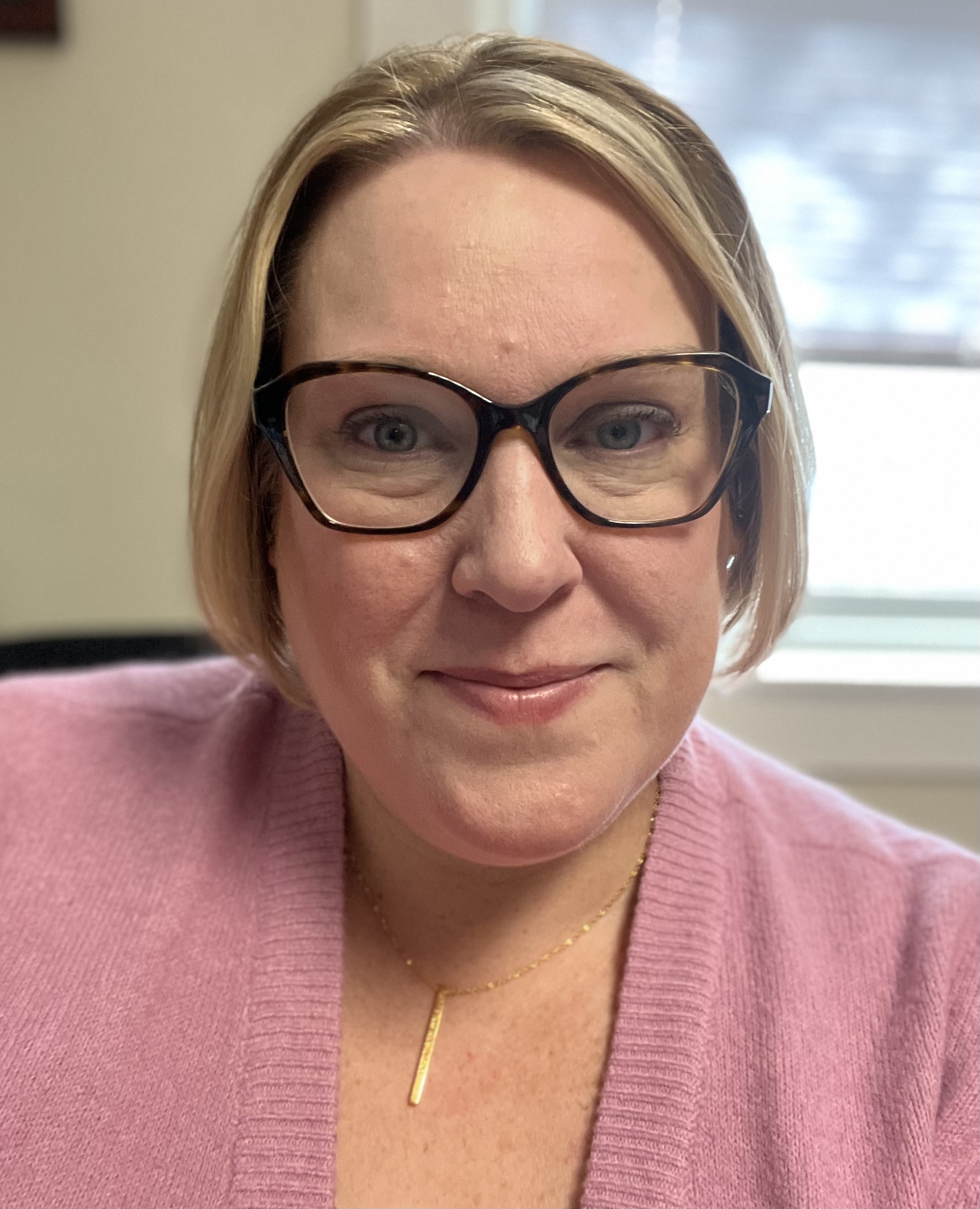
Academic. Social Media Researcher. WRITING CENTER DIRECTOR.
devon fitzgerald, ph.d.
I speak with a mostly Southern accent due to my Gulf Coast upbringing and nomadic wonderings. I write about my life with careless abandon and carefully placed semicolons. I listen to a lot of podcasts and take pictures of recipes I try and food I love.
I'm an Aquarius, a rebel, an ENFP, and have deep affection for a good cup of coffee.
I am an Associate Professor at Winthrop University where I teach rhetoric and writing courses and direct the University Writing Center. My research focuses on the intersections of identity, textuality, and online communities, examining digital activism, the circulation of texts, and the shifting expectations and complexities of digital and textual genres.
teaching
Writing courses should help students make sense of their worlds, identities, and values. I believe rhetoric provides a framework students can use to draw meaning from the world around them and a way to pursue change in their campus lives and outside communities. I want students in my courses to become savvy and discerning viewers, readers, and writers of texts. I want them to be able to take their talents into any situation and communicate with any audience. I want students to understand that culture influences our perceptions about the meaning of texts, about what counts as an appropriate text to study and who gets to read and write and publish texts. I want my classrooms to be spaces for questioning such cultural framing. For this reason, we study social media, podcasts, TV shows, magazine articles and other pieces of popular culture alongside essays published in textbooks, and literary texts.
I love finding new ways to introduce students to rhetorical concepts like teaching a course focused on the rhetorics of true crime. The course delved deep into our American understandings of crime, criminality, punishment, gender, and violence. Students examined the Salem witch trials, the violence of H.H. Holmes through Eric Larson's Devil in the White City, traced crime writing from journalism to Truman Capote's In Cold Blood before turning their attention to contemporary true crime podcasting, television shows, and films as part of their final projects and presentations.
Though all students who enter the classroom may not identify as writers, I encourage them to bring their individual interests to their writing. They regularly choose their own topics, using personal and professional interests to motivate their work and make it interesting to them. If students write about topics in which they are invested, they can better see themselves as writers who have something significant to say.
I never teach a course in the same way twice because I am constantly learning what works for varying class dynamics. I see students as my course collaborators not merely receptors of knowledge. I strive to find ways for them to create knowledge for themselves in both open-ended and discipline-specific research projects. '
recent courses
Fall 2024
WRIT 101: Introduction to Academic Discourse
ACAD 101: Principles of the Learning Academy
WRIT 500: Theory and Practice of Tutoring Writing
Summer 2024
WRIT 465: Preparation for Written and Oral Reports
Fall 2023
WRIT 101: Introduction to Academic Discourse
ACAD 101: Principles of the Learning Academy
WRIT 500: Theory and Practice of Tutoring Writing
Spring 2023
WRIT 311: Nature & Environmental Writing
WRIT 465: Preparation for Written and Oral Reports
Fall 2022
WRIT 500: Theory and Practice of Tutoring Writing
WRIT 502: Digital English Studies
Spring 2022
WRIT 200: Rhetoric of the Podcast
WRIT 300: Rhetorical Theory (Rhetorics of True Crime)
ENGL 602: Critical Theory
Fall 2021
ENGL 291: Introduction to the English Major
WRIT 500: Theory and Practice of Tutoring Writing
Spring 2021
WRIT 465
WRIT 502: Digital English Studies
WRIT 510: Writing for Grants and Nonprofits
My research focuses on the intersections of identity, textuality, and online communities, examining digital activism, the circulation of texts, and the shifting expectations of digital and textual genres. The scholarship I write and in which I participate is often collaborative. I appreciate writing with colleagues, both writing in Google docs simultaneously, chatting over Zoom, and revising on the fly.
Recent Collaborations
I have cowritten several pieces of scholarship with Charles Woods podcasts. Our piece, “The Feminist Research Methodologies of Podcasts in Rhetoric and Composition,” was published in the Cluster Conversation feature of Peitho edited by Melissa Ames and Kristie McDuffie in Spring 2023. Our pedagogical focused work, “Engaging Podcasts as a Dynamic Genre for Invention" was in included vol. 4 of Writing Spaces in the “An Archive of Activities and Assignments” Summer 2021. We published a presentation on ethics and true crime podcasts,
“Negotiating Ethics of Participatory Investigation in True CrimePodcasts,” with Courtney Cox in The Proceedings of the Annual Computers and Writing Conference 2019, WAC Clearinghouse & Colorado State University Open Press, 35-46 pp. April 2020.
Charles and I conducted a workshop in Summer of 2022 at the Computers and Writing conference. From this workshop, a book chapter was recently invited for an edited collection, Practicing Digital Activisms, forthcoming.
Previous scholarship, co-authored with Amber Buck, published in a special issue of Computers and Composition Online calls for a more nuanced understanding of ethics when researching digital media spaces like X (Twitter) and blogs.
Solo Authored Work
A book chapter on the legacy of mentoring in writing center directorship was published April, 2024 in an edited collection, Mentorship/Methodology edited by Leigh Gruwell and Charles Lesh. Here, I examine writing center discourse and its lore to trace how the field has shaped the mentoring expectations of directors, the conflicts that arise when expectations are challenged, and the potential for reframing mentoring with equity in mind.
My recent sabbatical work examines the complexities of intellectual property for artists and maker communities, particularly in the digital and AI age in which we create and compose.
I am currently returning to research that started in my dissertation, on identity, taste preferences and niche social media.
For more about my research & presentations, download my CV